
As the 8th graders move through the school year, we want to celebrate the incredible learning journey our students have embarked on so far in their GA Studies classes! This year, we have successfully covered a broad range of important standards aligned with the Georgia Standards of Excellence. Our studies have included:
Geography (G1): Students have explored the physical geography of Georgia and beyond, including landforms, bodies of water, and climate patterns. We've studied how natural resources influence where people live and work, and how human activities impact the environment. Through map skills and spatial thinking, students are developing a strong sense of place and how geography shapes culture, economy, and history.
Civics and Government (CG1 - CG4): Lessons have focused on the principles of democracy, the roles and responsibilities of citizens, and the structure of local and state government. Students have learned about the rights guaranteed by the Constitution, the importance of voting, and how laws are made and enforced. We've also discussed the roles of elected officials and explored how individuals and groups can participate in civic life to make a difference in their communities.
History (H1 - H4): We have examined key historical events and figures that have shaped Georgia's past and its role in the broader story of the United States. From early Native American cultures to colonial times, the Revolutionary War, up to the Civil War, students are gaining a deep understanding of how history influences identity and society today. Our discussions emphasize critical thinking about causes, effects, and the perspectives of different groups.
Students that participated in the GA Studies Tour followed a thoughtful route through Georgia that began at Fort Benning, where the Army museum’s immersive dioramas, uniforms, and vehicle displays brought military history to life. Walking through personal stories and interactive exhibits gave us a deeper appreciation for training, deployments, and the sacrifices of service members. From Fort Benning we drove to Warm Springs and toured the Little White House, where the modest rooms, original furnishings, and interpretive panels conveyed President Franklin D. Roosevelt’s daily routines and his work on polio rehabilitation. The peaceful grounds and nearby mineral springs added context to why he sought the town’s restorative environment, and seeing the therapy equipment and photos made his resilience and community impact feel immediate.
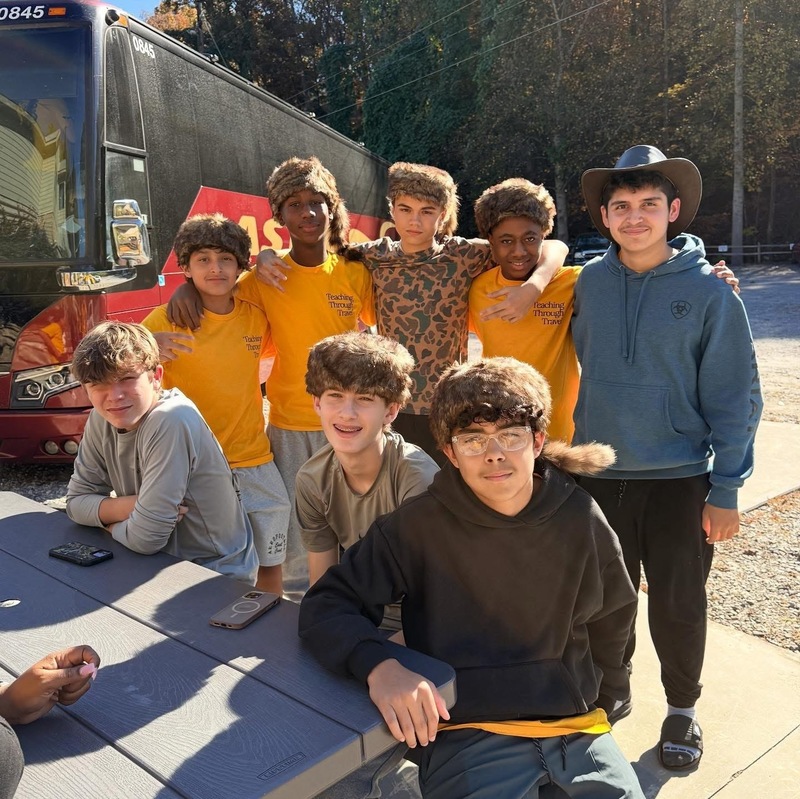
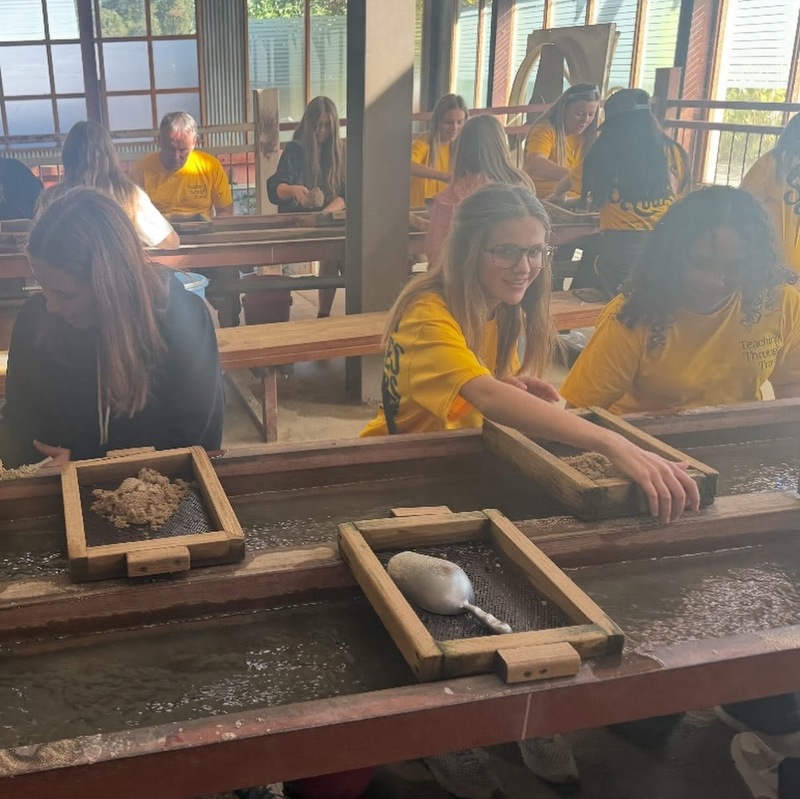
Next we headed north to Dahlonega, where a guided tour of the historic gold mine introduced us to 19th‑century mining techniques, sluice demonstrations, and the excitement of panning for a few flecks of gold ourselves. Strolling the town square afterward, we browsed artisan shops, sampled local eateries, and admired the preserved architecture that celebrates Dahlonega’s mining heritage. Our study tour included a scenic stop at River Street in Savannah, where the cobblestone promenade, lively riverboats, and street performers created a festive riverside atmosphere; we enjoyed browsing boutiques, tasting local seafood, and pausing to watch the sunset over the Savannah River. Last but not least, Buc-ee’s in Brunswick provided a lighthearted, modern contrast—its huge selection of snacks, clean restrooms, and playful branding made it an unexpectedly entertaining final stop that energized everyone for the ride home.
The GA Studies Department, Mr. Holley, Ms. Shields, and Mr. Stephens, would like to thank everyone for their continued support as we nurture curious, informed, and engaged learners.